100x170 cm

Yün ve Pamuk
Wool and Cotton

Bilgi için - For information

Anahtar Deliği

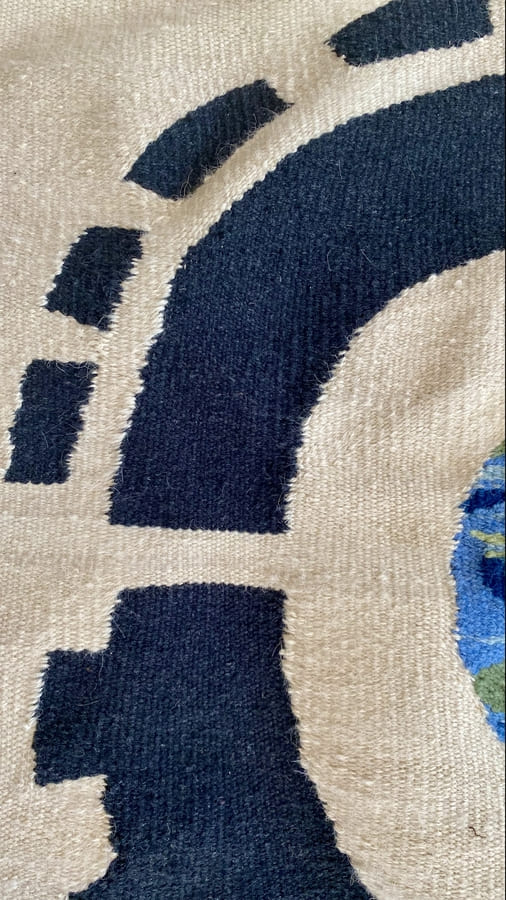
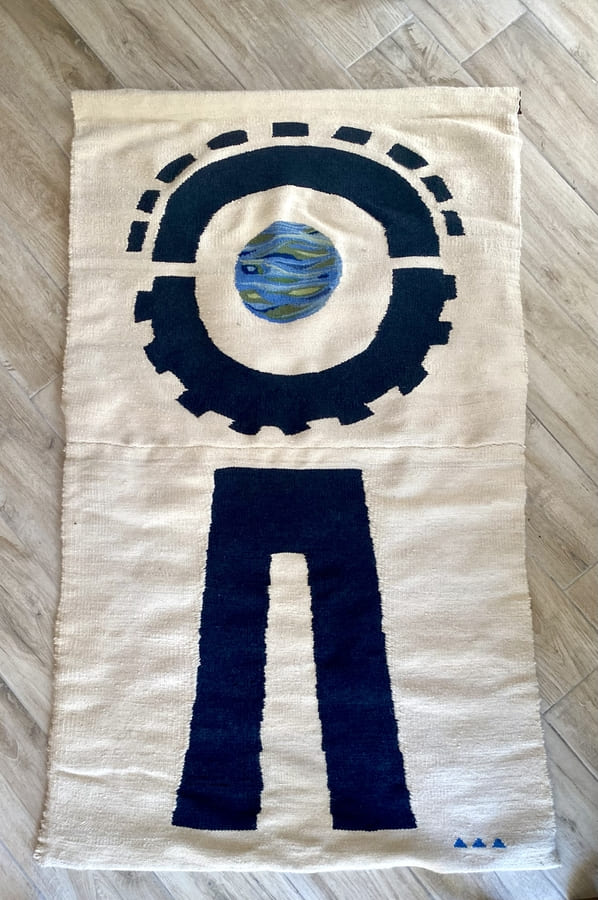
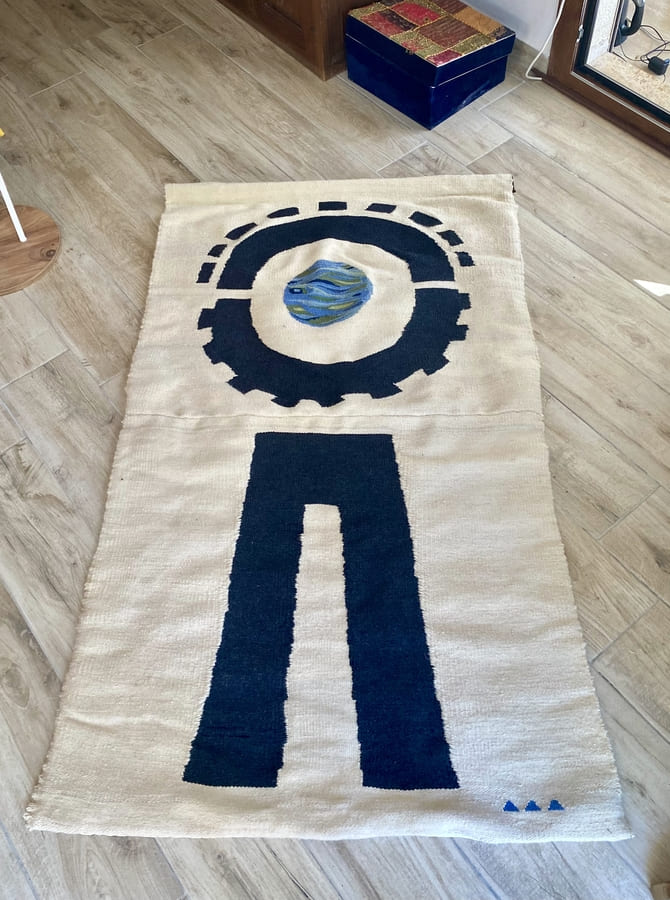
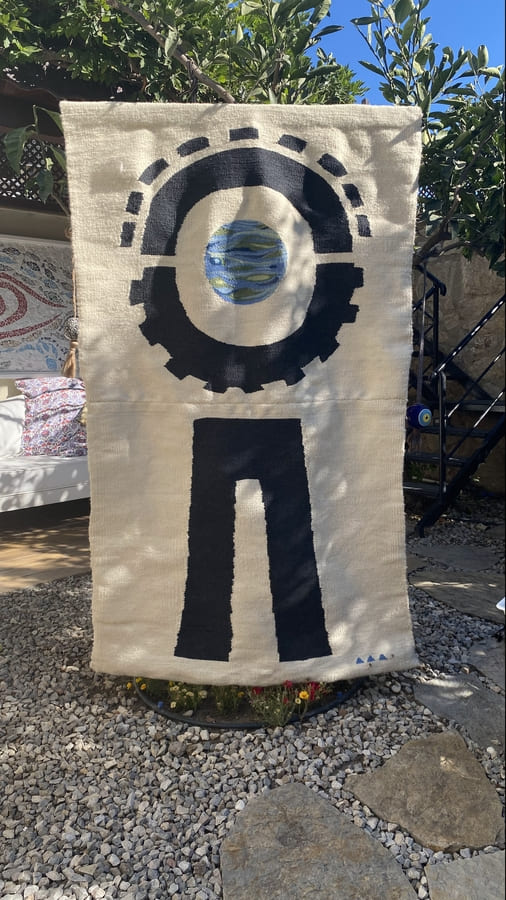
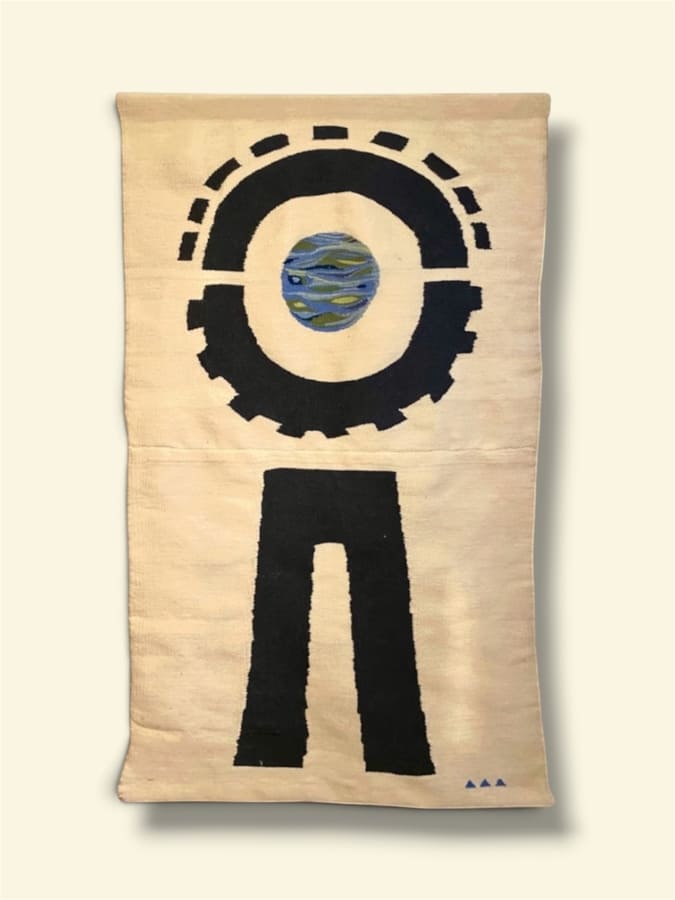
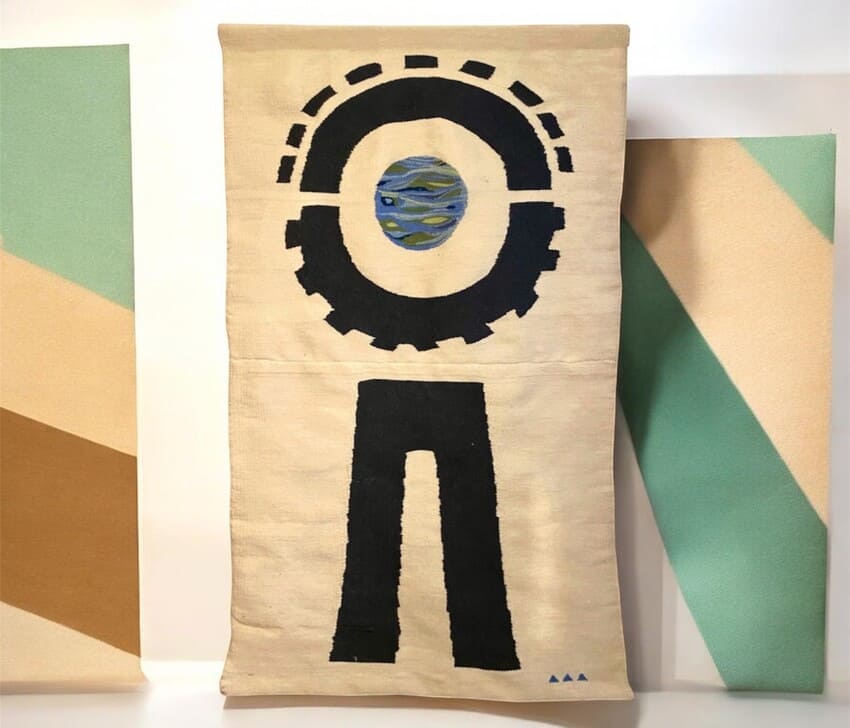
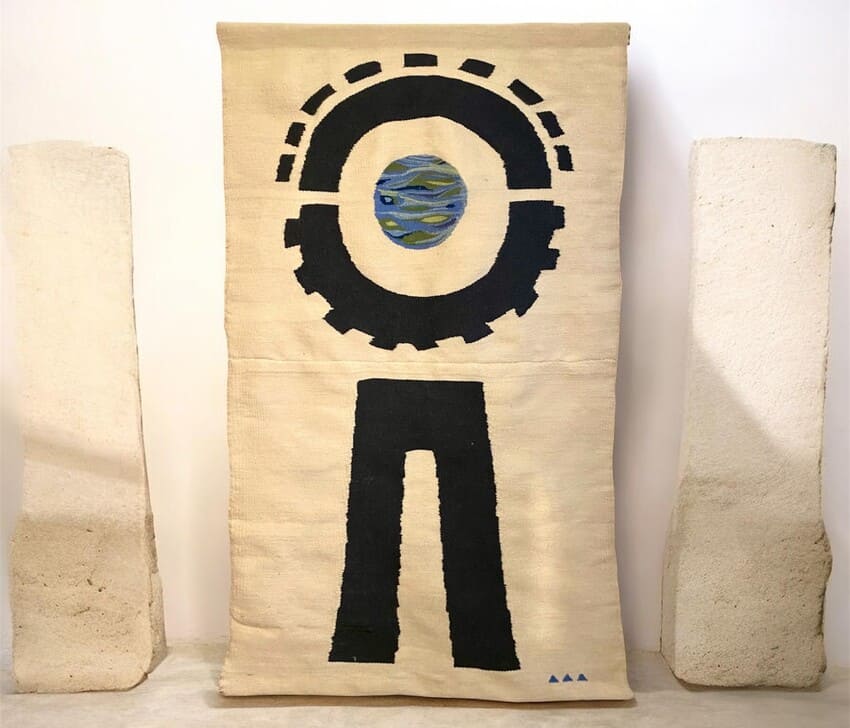
Karabasan bir sıkıştırılmışlıktan; aydınlık, umut veren, doğruluk, dürüstlük dolu bir ütopyaya bakışın resmidir bu. Ruhsuz, vicdansız, acımasız, kahredici bir ayrı düşmüşlük. Uzakta; ama, bir kapı ötesi umut. Deliği varsa anahtarı da vardır bir cepte. Ya da bir omuz atacaksın o kadar.

Türk halı ve kilim sanatında “Anahtar Deliği” motifi, özellikle 16 – 18. yüzyıl Bergama tipi seccade ve halılarda sıkça rastlanan, dünyanın geçiciliğini ve ahiret hayatını simgeleyen, cennet ve cehennem kapılarının anahtarını anlatan kadim bir sembol olarak tanımlanır. Venedikli Rönesans sanatçıları Bellini ve Giovanni eserlerinde, 16. yüzyıl kutsal figürlerinin altında bu halıları resmetmiş; dikkatleri çekmiş ve o dönem halıları için “anahtar deliği” halıları tanımı kullanılmaya başlanmış.
Bu figür, oysa aslen, matafı, yani Kabe etrafındaki tavaf yolunu anlatır ve dönem halı ve kilimlerinde minyatürleştirilerek resmedilmiştir. Bab-us Selam (yani Kabe’nin girişinden) bir bakıştır Kabe’ye.

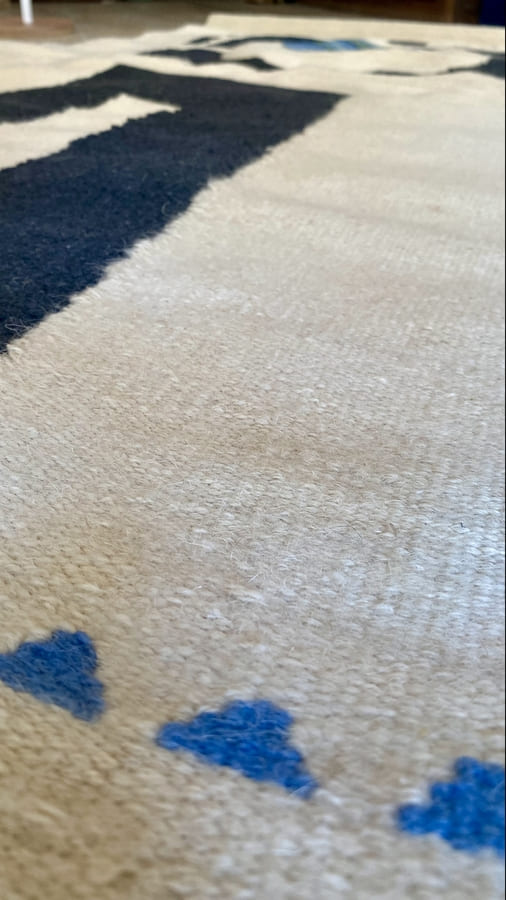
Ben de kendi anahtar deliğimi resmettim. Yalın ve dümdüz. Ahiret ile değil bugünle hesaplaşan. Kara odadan, hayali kurulan, güzel bir dünyaya bakan. Öykünen. Hem de gene bir selam çaktım kadim sanata.
Key Hole

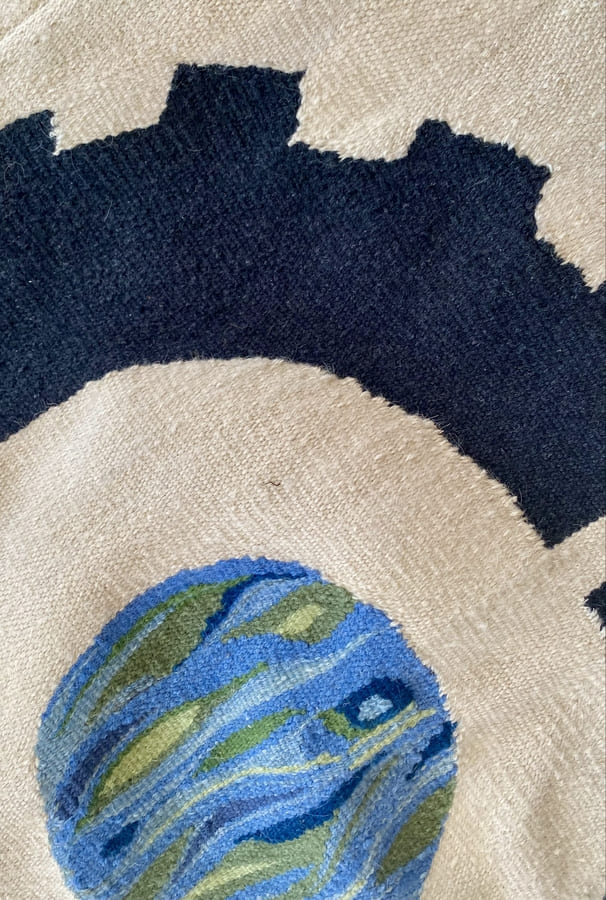
This is a depiction of a looking up from a suffocating nightmare toward a bright, hopeful utopia—a realm filled with truth and integrity. Being in a state of estrangement that is soulless, conscienceless, ruthless, and devastating. Yet, hope lies just beyond the door. If there is a keyhole, there should be a key in someone’s pocket; or perhaps, you simply need to shoulder the door open.

In the art of Turkish carpets and kilims, the “Keyhole” motif is defined as an ancient symbol—frequently found on 16th- to 18th-century Bergama-style prayer rugs—that signifies the transience of the world and the afterlife, representing the keys to the gates of heaven and hell. Venetian Renaissance artists Bellini and Giovanni depicted these carpets beneath sacred figures in their works, which sought a lot of attention. This led to the designation “keyhole carpets” for the rugs of that kind.
However, this figure actually represents the “mataf”, the circumambulation path around the Kaaba—and was rendered in miniature form on the carpets and kilims of the time. It is a view of the Kaaba from the *Bab-us-Salam* (the Gate of Peace, or the entrance to the Kaaba).

I depicted my own keyhole. Simple and unadorned. One that grapples not with the afterlife, but with the present. A gaze from a dark room toward a beautiful, imagined world. And in doing so, I have also paid homage to that ancient art, again.